Welcome to BKPOWER!









.png)
.png)

Solar Storage And Charging Integrated Device丨BK-SCEV-5.5KVA
PRODUCT PARAMETERS
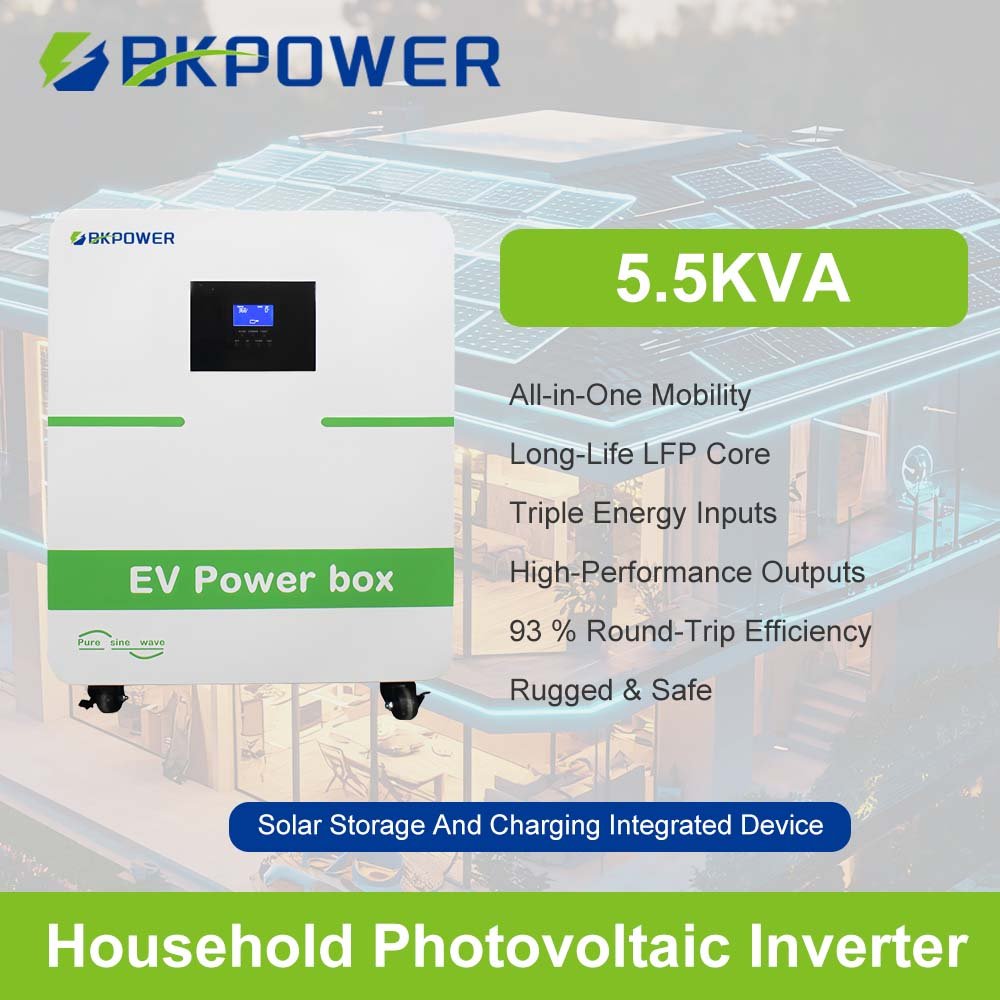
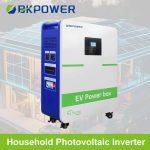
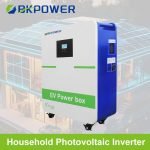
The BK-INV series is a floor-standing, mobile integrated photovoltaic-storage-charging unit designed specifically for EV roadside rescue, outdoor camping & events, home backup, construction sites, and solar carport scenarios, integrating a 5.5KVA pure-sine inverter, LiFePO₄ battery pack, BMS (Battery Management System), and EMS (Energy Management System) into a single wheeled cabinet.
- All-in-One Mobile Power Solution
- Long-Life & Safe LiFePO₄ Battery System
- Triple Energy Inputs for Flexible Energy Harvesting
- High-Performance Output for Diverse Loads
- 93% High Round-Trip Efficiency
- Smart Management & Remote Monitoring
- Harsh-Environment Adaptability
- Comprehensive Safety Protection
Description
FAQs
Request A Quote
Description
Product Overview
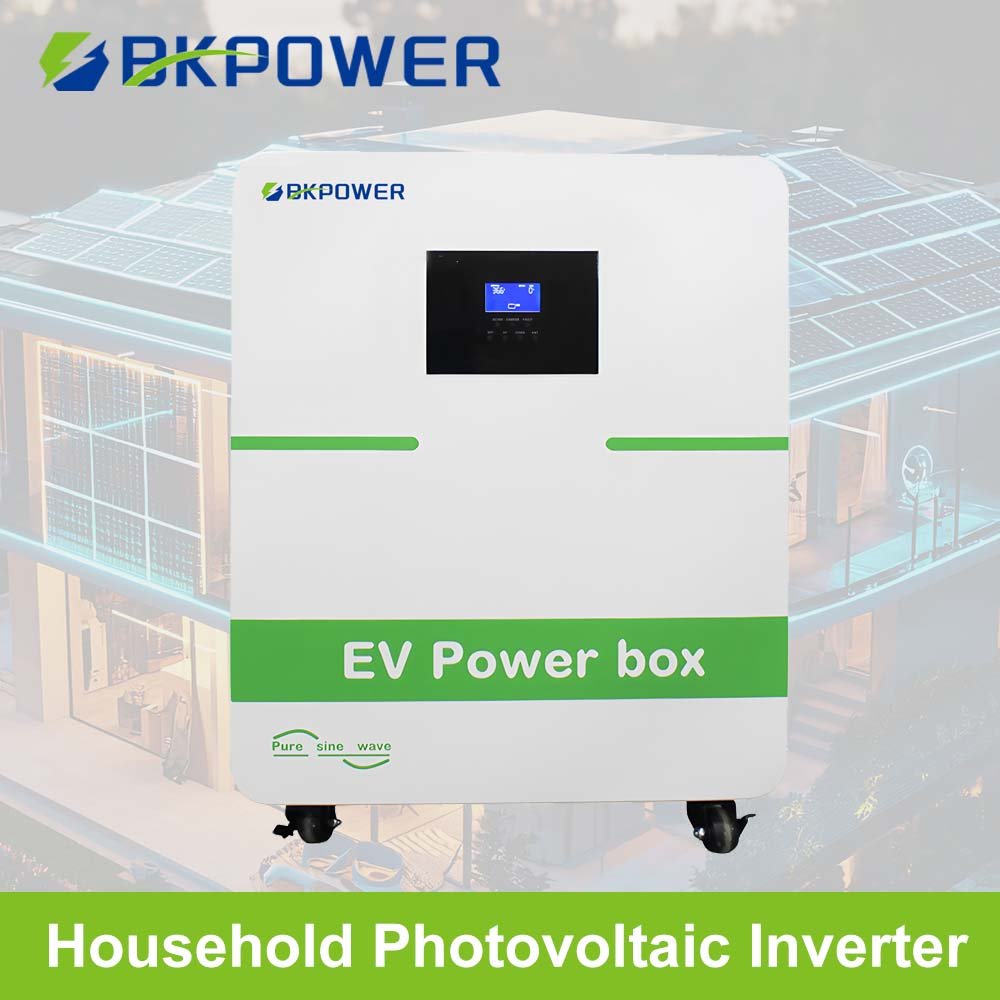
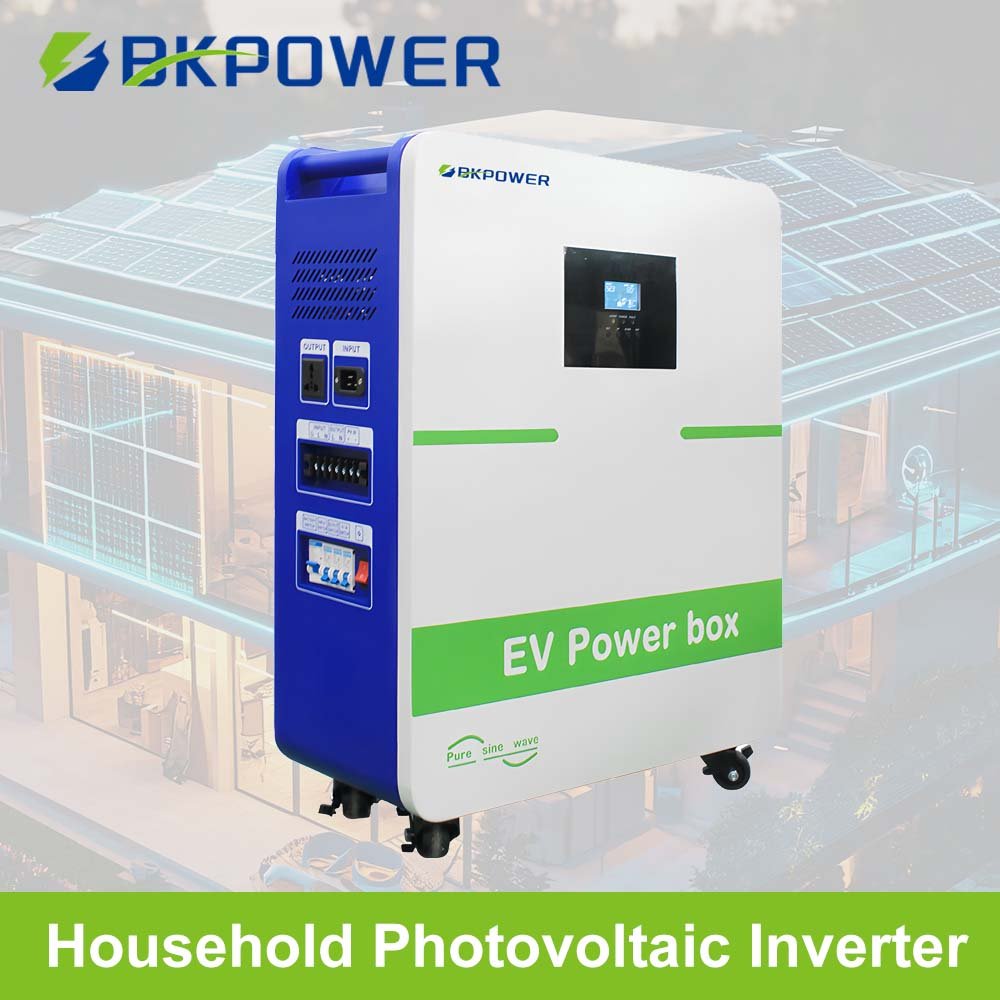
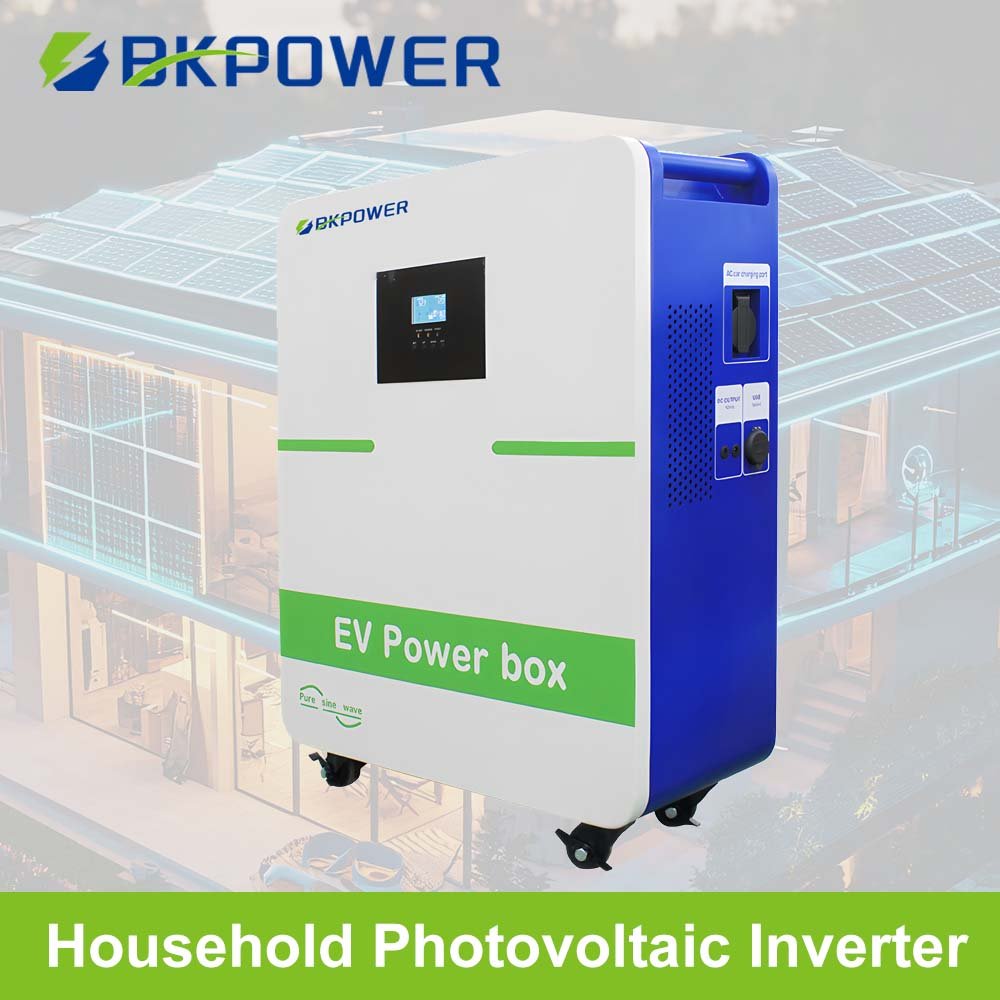
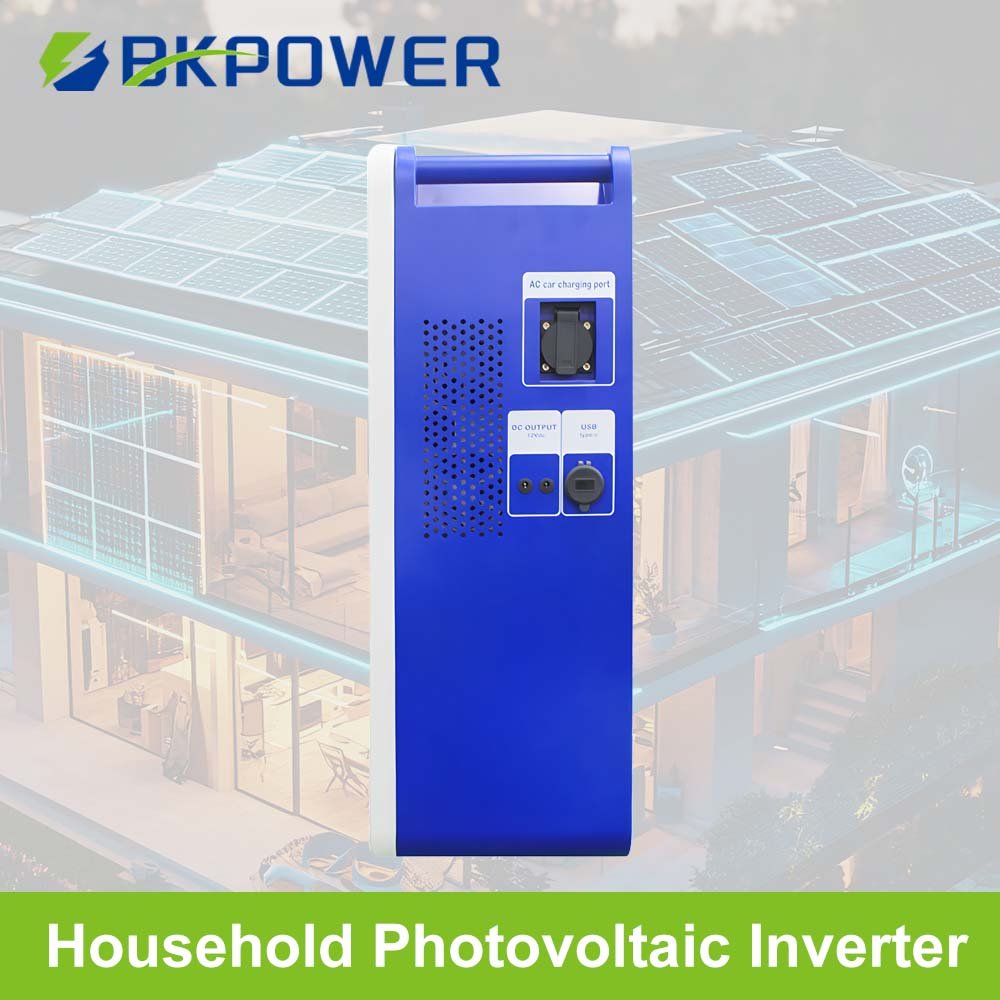
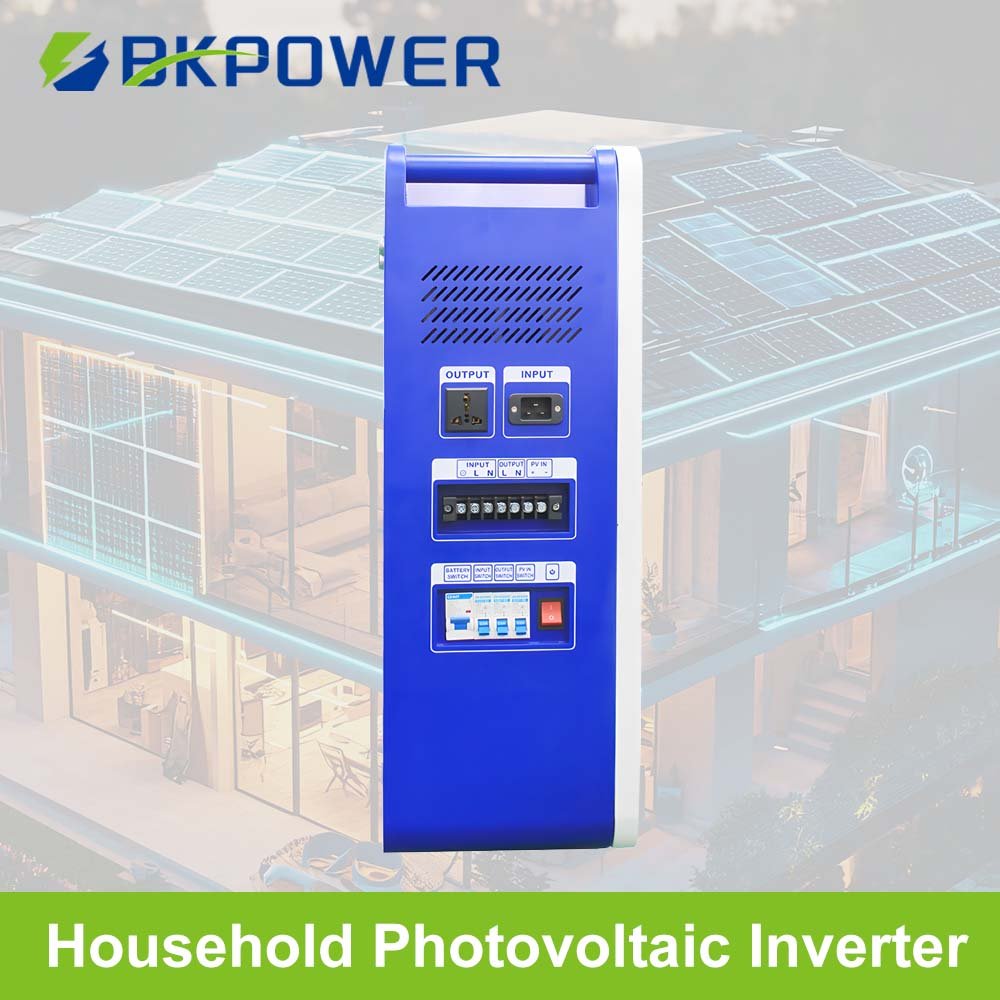
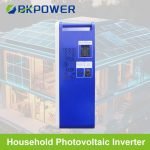
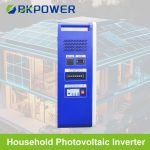
The BK-SCEV-5.5 KVA is a 5.5 kW / 5.12 kWh mobile power station that fuses inverter, LiFePO₄ battery, BMS and EMS into a single 65 kg, wheeled cabinet (250 × 600 × 770 mm). It accepts solar, grid and generator inputs and delivers 230 V pure-sine AC plus USB/Type-C DC—ready to charge EVs, power homes, or run outdoor events anywhere, anytime.
Application
- EV Roadside Rescue
Mobile 5.5 kW charger—adds 30–40 km range in 30 minutes.
- Camping & Events
Powers lights, sound system, coffee machine, drones—silent, fume-free.
- Home Backup
5 kWh keeps fridge, router, lights and TV running for 8–10 h during blackouts.
- Construction Sites
Runs welders, drills, cameras—no generator noise or fuel logistics.
- Solar Carport
Charge in daylight, discharge at night—cut EV charging cost by 80 %.
Product Features
- All-in-One Mobility
• True plug-and-play: wheels + handle, forklift pockets—roll it from garage to campsite in minutes.
- Long-Life LFP Core
• 5.12 kWh, 51.2 V, >6 000 cycles @ 80 % DoD—10-year service life, UL/IEC62619 certified.
- Triple Energy Inputs
• 120–450 V MPPT (5.5 kW PV max) + 90–280 V AC grid + generator—harvest, store and dispatch any source.
- High-Performance Outputs
• 5.5 kW continuous / 8.3 kW surge AC; 4 kW AC EV-charge-gun ready; DC 12 V 10 A + USB-C PD 100 W for laptops, drones, tools.
- 93 % Round-Trip Efficiency
• 93 % inverter efficiency, 100 A continuous discharge—run a 3 kW kettle for 1.7 h or charge a 60 kWh EV to 8 % in 50 min.
- Smart EMS & Cloud
• Wi-Fi/4G (optional) + mobile App—real-time SOC, PV yield, load schedule and OTA firmware updates.
- Rugged & Safe
• –20 °C to +60 °C discharge, 0 °C to +45 °C charge, IP20, forced-air cooling, CE/RCM/CEC/VDE2510-50/IEC60730/UN38.3 compliant.
Specifications
| Model | BK-SCEV-5.5 KVA | |
| Product Type | Integrated photovoltaic storage and charging machine | |
| Energy Storage Capacity | 5.12KWh | |
| Power Capacity | 5.5 KW (5-11 kW optional) | |
| Phase | Single phase | |
| Battery | Voltage | 51.2V |
| Battery Rated Capacity | 100AH | |
| Continuous Discharge Current | 100A | |
| Standard Charging Current | 20A | |
| Fast Charging Current | 80A | |
| Battery Type | Lithium iron phosphate (LiFePO4) | |
| Cycle Count | >6000 times | |
| Battery Voltage Range | 43.2~58.4V | |
| AC/PV Input | AC Input Voltage Range | Home appliances: 90–280 VAC Computers: 170–280 VAC |
| AC Input Frequency | 50Hz/60Hz (Auto detection) | |
| Maximum Photovoltaic Array Power | 5500W | |
| Open-circuit Voltage Of Photovoltaic Modules | 500V | |
| MPPT Operating Voltage Range | 120~450V | |
| Efficiency | 93% | |
| AC/DC Output | AC Output Voltage | 230V±5% |
| AC Output Rated Power | 5500W | |
| AC Charging Gun Power | 4KW | |
| Overload Capacity | 5s@≥150%load;10s@110%-150% load | |
| DC Output | DC12V10A TYPE-C 5V3.4A, 9V2.5A, 12V/2A | |
| Standard Parameters | Installation Method | landing |
| Maximum Working Altitude | 4000m (reduction required above 1500m) | |
| Operating Temperature | Charging temperature: 0~45℃ Discharging temperature: -20℃~60℃ | |
| Cooling Method | Air-cooled | |
| Storage Temperature | -15℃-60℃ | |
| Humidity | 5%-95% | |
| Dimensions (D×W×H) | 250*600*770mm | |
| Weight | 65±2kg | |
FAQs
What is UPS?
UPS stands for Uninterruptible Power Supply and is a device that provides a continuous supply of power to protect critical loads from power failures or fluctuations.
What is the main role of UPS?
The main role of a UPS is to provide a backup power source to ensure that critical equipment can continue to operate when utility power is interrupted or unstable, avoiding data loss or equipment damage.
What are the types of UPS?
UPS is mainly divided into three types: offline, online and online interactive.
How to choose the power capacity of UPS?
When choosing the power capacity of the UPS, you need to consider the total power demand of the load, it is usually recommended to choose a slightly larger than the total load power of the UPS to ensure sufficient standby time.
How is the standby time of a UPS determined?
The standby time of a UPS depends on the battery capacity and load power. Standby time usually ranges from 10 minutes to several hours, and the specific needs can be determined according to the actual application scenario.


