Welcome to BKPOWER!









.png)
.png)

What is 3 Phase / Three – Phase Electric?
3 Phase/Three – Phase Electricity: UPS Standards
In the world of electrical power systems, three – phase electricity stands as a cornerstone for modern industrial, commercial, and large – scale residential applications. Understanding what three – phase electric is, how it works, and its significance is crucial for anyone involved in electrical engineering, facility management, or simply interested in the intricacies of power distribution. In this comprehensive article, we will explore the fundamentals of three – phase electricity, its advantages over other power systems, the specific requirements for Uninterruptible Power Supplies (UPS) in three – phase setups, and how BKPOWER, a leading provider in the UPS industry, offers top – notch products that meet and exceed the standards of a high – quality UPS for three – phase electric systems.

Ⅰ. Fundamentals of Three – Phase Electricity
1. Definition and Concept
Three – phase electricity is an alternating – current (AC) power system that consists of three sinusoidal voltages or currents that are out of phase with each other by 120 degrees. It typically involves three live wires, and in many cases, a neutral wire and a ground wire for safety. This 120 – degree phase difference creates a more balanced and efficient power delivery compared to single – phase systems.
Mathematically, if we represent the voltage of one phase as
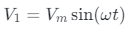
The voltages of the other two phases can be expressed as


Vm is the maximum voltage,
ω is the angular frequency, and
t is time. This configuration allows for a continuous flow of power with reduced fluctuations.
2. Generation Process
Three – phase electricity is generated in power plants using three – phase generators. Inside these generators, there are three sets of coils arranged at 120 – degree intervals around the rotor. As the rotor spins, it creates a rotating magnetic field that induces alternating currents in the three sets of coils. Due to the angular arrangement, the induced currents in each coil have a 120 – degree phase difference, resulting in the characteristic three – phase output. This generated three – phase power is then stepped up in voltage using transformers for efficient long – distance transmission.
Ⅱ. Advantages of Three – Phase Electricity
1. Higher Power Capacity
One of the most significant advantages of three – phase electricity is its ability to deliver a much higher power capacity compared to single – phase systems. The three – phase configuration allows for the transmission of larger amounts of electrical energy. This makes it ideal for powering large – scale industrial machinery, data centers, and commercial buildings with high – power requirements. For example, heavy – duty motors used in manufacturing plants, which demand substantial amounts of power to operate, are typically powered by three – phase electricity.
2. Efficiency in Power Transmission
Three – phase systems are more efficient in power transmission. The balanced nature of the three – phase currents reduces the amount of power lost as heat during transmission over long distances. This is because the sum of the instantaneous powers in the three phases remains constant, minimizing the reactive power and reducing line losses. As a result, less energy is wasted, and more power reaches the end – users, making three – phase electricity a cost – effective choice for power distribution networks.
3. Smooth Operation of Electrical Equipment
Electrical equipment, especially motors, operates more smoothly and efficiently when powered by three – phase electricity. The 120 – degree phase difference in the three – phase supply creates a rotating magnetic field in three – phase motors, which results in a more uniform torque and less vibration. This not only extends the lifespan of the equipment but also improves its overall performance and energy efficiency.
Ⅲ. Applications of Three – Phase Electricity
1. Industrial Applications
In the industrial sector, three – phase electricity is ubiquitous. It powers a wide range of equipment, including large – scale manufacturing machinery, such as lathes, milling machines, and conveyor belts. In factories, three – phase motors are used for pumps, compressors, and fans, which are essential for various production processes. Additionally, in the mining, oil, and gas industries, three – phase electricity is used to operate heavy – duty equipment, drilling rigs, and processing plants.
2. Commercial Applications
Commercial buildings, such as office complexes, shopping malls, and hotels, also rely on three – phase electricity. It is used to power air – conditioning systems, elevators, lighting systems, and large – scale kitchen equipment. The high – power demand of these facilities makes three – phase electricity a necessity to ensure reliable and efficient operation. For example, the multiple air – conditioning units in a large shopping mall require the high – power capacity provided by three – phase electricity to maintain a comfortable indoor environment.
3. Data Centers
Data centers are another major application area for three – phase electricity. These facilities house thousands of servers and other critical IT equipment that require a stable and high – power supply. Three – phase electricity is used to power the servers, cooling systems, and backup power equipment in data centers. The reliability and efficiency of three – phase power are crucial for maintaining the continuous operation of data centers, as any power interruption can lead to significant data loss and service disruptions.
Ⅳ. Requirements for UPS in Three – Phase Electric Systems
1. Power Capacity and Load Handling
A UPS for a three – phase electric system must have sufficient power capacity to handle the connected load. This requires accurate calculation of the total power consumption of all the equipment in the three – phase setup. The UPS should be able to support the starting currents of large motors and other inductive loads, which can be several times higher than their normal operating currents. It also needs to maintain a stable output voltage and frequency under varying load conditions to ensure the proper operation of the connected equipment.
2. Phase Balance and Monitoring
Maintaining phase balance is crucial in three – phase UPS systems. Uneven loading across the three phases can lead to increased power losses, overheating, and reduced equipment lifespan. A high – quality three – phase UPS should have advanced monitoring capabilities to continuously track the voltage, current, and power of each phase. It should be able to detect and correct any phase imbalances in real – time to ensure the efficient and reliable operation of the system.
3. Redundancy and Fault Tolerance
For critical applications, such as data centers and industrial plants, redundancy and fault – tolerance features are essential in three – phase UPS systems. Redundant UPS units can be configured in parallel or in a redundant standby mode. In case of a failure in one unit, the other units can seamlessly take over the load, ensuring uninterrupted power supply. Fault – tolerance features, such as self – diagnosis and quick fault isolation, help minimize downtime and prevent cascading failures.
4. Compatibility with Three – Phase Equipment
The UPS must be fully compatible with the three – phase electrical equipment it is powering. This includes matching the voltage and frequency ratings, as well as the electrical characteristics of the equipment. It should also be able to handle the specific requirements of three – phase motors, such as providing a smooth start – up and stable operation.
Ⅴ. Standards of a High – Quality UPS for Three – Phase Electric Systems
1. Advanced Inverter Technology
A high – quality three – phase UPS features advanced inverter technology. The inverter should be able to convert the direct current (DC) from the battery into a clean and stable three – phase alternating current (AC) with a pure sine – wave output. This pure sine – wave output is essential for the proper operation of sensitive three – phase equipment, such as servers and industrial control systems. The inverter should also have high efficiency to minimize power losses during the conversion process.
2. Intelligent Battery Management System
An excellent three – phase UPS is equipped with an intelligent Battery Management System (BMS). The BMS monitors the state of charge, voltage, temperature, and internal resistance of the batteries. It optimizes the charging process, prevents overcharging and deep – discharging, and extends the battery lifespan. The BMS also provides real – time status information and alerts, enabling users to proactively manage the batteries and ensure their optimal performance.
3. Robust Construction and Durability
A high – quality UPS for three – phase systems should have a robust construction. It should be built with high – quality materials and components to withstand harsh environmental conditions, such as dust, moisture, and temperature variations. The enclosure should provide adequate protection for the internal components, and the UPS should be able to operate reliably in industrial and commercial environments.
4. Comprehensive Connectivity and Management Features
Modern high – quality three – phase UPS systems offer a variety of connectivity options, such as USB, Ethernet, and SNMP (Simple Network Management Protocol). These options allow users to monitor the UPS’s status, receive alerts, and configure settings remotely. Along with connectivity, comprehensive management software is also a key feature. The software provides detailed information about the UPS’s performance, battery status, and power consumption, and it can be used to schedule shutdowns, perform self – tests, and generate reports.
Ⅵ. BKPOWER’s Three – Phase UPS Products: Meeting and Exceeding Standards
1. Wide Range of Power Capacity Options
BKPOWER offers a comprehensive range of three – phase UPS products with diverse power capacity options, ranging from small – scale units suitable for commercial buildings with moderate power requirements to high – capacity models designed for large – scale industrial plants and data centers. Our UPS systems can support power requirements from a few kilovolt – amperes (kVA) to several megavolt – amperes (MVA), ensuring that there is a perfect fit for every three – phase application.
2. Advanced Inverter and Phase – Balancing Technology
Our three – phase UPS products are equipped with state – of – the – art inverter technology that delivers a pure sine – wave output with high efficiency. The inverters are designed to handle the complex power demands of three – phase equipment, providing stable and clean power. Additionally, BKPOWER’s UPS systems feature advanced phase – balancing algorithms that continuously monitor and adjust the load distribution across the three phases. This ensures optimal performance, reduces power losses, and extends the lifespan of the connected equipment.
3. Intelligent Battery Management and Redundancy Solutions
BKPOWER’s three – phase UPS units are integrated with intelligent Battery Management Systems. Our BMS not only monitors the battery’s status but also optimizes the charging and discharging processes to maximize battery lifespan. For critical applications, we offer redundant UPS solutions, including parallel – redundant and N + 1 redundant configurations. These redundancy options provide an extra layer of protection, ensuring uninterrupted power supply even in the event of a component failure.
4. Robust Build and Comprehensive Connectivity
Our three – phase UPS products are built with high – quality materials and undergo strict quality control processes to ensure durability and reliability. They are designed to withstand harsh industrial and commercial environments. In terms of connectivity, BKPOWER’s UPS systems offer a wide range of options, allowing for seamless integration with existing network infrastructure. The accompanying management software provides users with real – time monitoring, remote management, and detailed reporting capabilities, enabling efficient and proactive management of the UPS system.
Ⅶ. Conclusion
Three – phase electricity is a vital part of modern power systems, powering a vast array of industrial, commercial, and data – center applications. Understanding its fundamentals, advantages, and applications is essential for making informed decisions regarding power supply and backup solutions.
For three – phase electric systems, having a high – quality UPS is crucial to ensure the continuous operation of critical equipment during power outages and other electrical disruptions. BKPOWER’s range of three – phase UPS products is designed to meet and exceed the standards of a top – notch UPS for three – phase systems. With a wide range of power capacity options, advanced technologies, intelligent management features, and robust construction, our products provide reliable, efficient, and long – lasting backup power for all your three – phase applications. Whether you are managing a large industrial plant, a commercial building, or a data center, BKPOWER has the right three – phase UPS solution for you. Contact us today to explore our product offerings and experience the difference in power protection for three – phase electric systems.
References
- International Electrotechnical Commission (IEC)Official website: www.iec.ch
- Underwriters Laboratories (UL)Official website: www.ul.com
- European Committee for Standardization (CEN)Official website: www.cen.eu
- Standardization Administration of China (SAC)Official website: www.sac.gov.cn
- Zhongguancun Energy Storage Industry Technology Alliance (CNESA)Official website: www.cnESA.org
- International Organization for Standardization (ISO)Official website: www.iso.org