Welcome to BKPOWER!









.png)
.png)

Understanding UPS Runtime/UPS Time
Understanding UPS Runtime/UPS Time: Maximizing Your Power Backup
Introduction
In today’s digital age, power outages can disrupt business operations and cause data loss. An Uninterruptible Power Supply (UPS) provides critical backup power to keep your equipment running during outages. The runtime of a UPS, or “UPS time,” is a key factor in ensuring sufficient power coverage. This article explores what UPS time means, factors affecting it, and how to maximize it for your power protection needs. As a leading provider of power solutions, BKPOWER is dedicated to helping you understand and optimize UPS runtime.
What is UPS Time?
UPS time refers to the duration a UPS can provide backup power during a utility failure. It depends on the UPS’s battery capacity, the connected load, and the efficiency of power conversion. Essentially, it’s the time your equipment can keep running on the UPS battery before it discharges completely.
Factors Affecting UPS Time
- Battery Capacity:Measured in ampere-hours (Ah), a higher capacity means a longer runtime. For example, a 12V 10Ah battery theoretically supplies 1 ampere for 10 hours.
- Load Size:The total power consumption of connected devices. A larger load reduces runtime. If your UPS supports 1000VA and your devices consume 500VA, the runtime will be longer than if you consume 800VA.
- Power Conversion Efficiency:The efficiency of the UPS in converting battery power to usable AC power. Higher efficiency means less power loss and longer runtime.
Calculating UPS Time
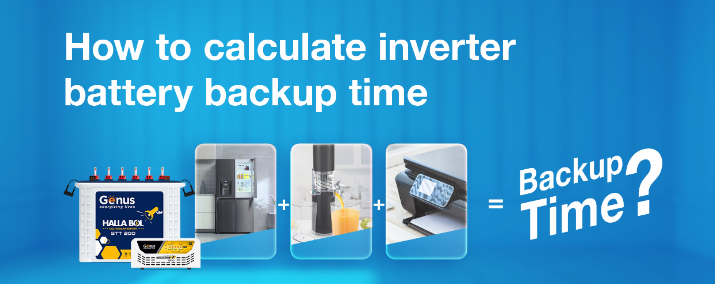
To estimate UPS time, use the formula:
Runtime (hours) = (Battery Capacity (Ah) × Voltage (V)) / (Load (W) × Inverter Efficiency)
For example, a 12V 10Ah battery with an inverter efficiency of 90% powering a 100W device:
Runtime = (10Ah × 12V) / (100W / 0.9) ≈ 1.08 hours
Ways to Maximize UPS Time
- Selecting the Right UPS:Choose a UPS with a battery capacity and power rating that exceed your load requirements. Consider scalable UPS systems that allow adding battery packs for extended runtime.
- Load Management:Shut down non – essential equipment during outages to reduce load on the UPS. Prioritize power for critical devices like servers and network equipment.
- Regular Maintenance:Ensure regular battery checks and replacements as needed. A well – maintained battery lasts longer and provides reliable runtime.
Applications of UPS Time in Different Scenarios
- Data Centers:Require long UPS runtime to allow for orderly shutdowns or generator starts. A UPS time of 15 – 30 minutes is typical, but some facilities need hours of backup.
- Home Offices:A UPS time of 5 – 15 minutes is often sufficient to save work and shut down equipment properly. But for extended outages, a UPS with longer runtime is necessary.
- Industrial Settings:Critical equipment may need several hours of UPS runtime to prevent production disruptions and equipment damage.
Case Study: Extending UPS Time in a Small Business
A small business experienced frequent short – duration power outages causing data loss. They installed a BKPOWER UPS designed for longer runtime. By upgrading the battery capacity and optimizing connected loads, their UPS runtime increased from 10 to 20 minutes, reducing disruption risk during outages.
BKPOWER’s Commitment to Optimizing UPS Time
BKPOWER offers a range of UPS systems with advanced features to enhance runtime. Our UPS systems include efficient power conversion technology and robust battery management systems. We also provide scalable solutions, allowing you to customize runtime based on your needs.
Conclusion
UPS time is crucial for ensuring your equipment stays powered during outages. By understanding the factors affecting it and taking steps to maximize it, you can enhance your power protection strategy. BKPOWER is here to provide reliable UPS solutions to meet your runtime requirements.
Explore BKPOWER’s UPS systems at www.bkpower.cn and find the perfect power backup for your needs.
References
- International Electrotechnical Commission (IEC)Official website: www.iec.ch
- Underwriters Laboratories (UL)Official website: www.ul.com
- European Committee for Standardization (CEN)Official website: www.cen.eu
- Standardization Administration of China (SAC)Official website: www.sac.gov.cn
- Zhongguancun Energy Storage Industry Technology Alliance (CNESA)Official website: www.cnESA.org
- International Organization for Standardization (ISO)Official website: www.iso.org